


First, the printed film is thermoformed into a 3D curved surface, then placed into a mold for injection molding. This process is suitable for complex curved surfaces and high-precision decorative applications, enabling a wide range of color and texture effects. Non-plastic inserts, such as metal or ceramic, are placed into the mold beforehand, and then plastic is injected to form the part. This process enables material compositing and functional integration, and is commonly used for high-strength or functionally specialized components.
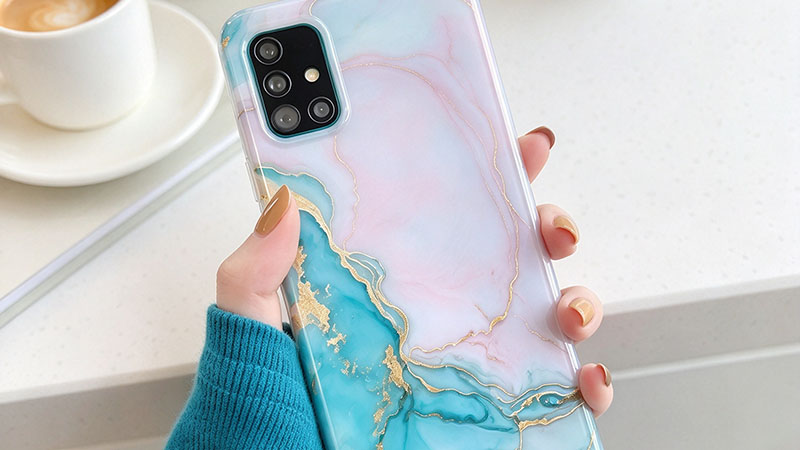
First, the printed film is thermoformed into a 3D curved surface, and then injected into a mold. This process is suitable for complex curved surfaces and high-precision decorative applications, and can produce a wide range of color and texture effects.

Using flat film directly embedded in the mold simplifies the process. This method is suitable for flat or slightly curved products, offering high production efficiency and relatively low costs.
Non-plastic inserts, such as metal and ceramic, are placed in the mold in advance, and then plastic is injected to form the part. This process enables material compositing and functional integration and is commonly used for high-strength or specialized components.