


Through its research team, Xinxiu has developed a series of sizing agents designed to enhance the bond between resin and fibers, adapt to different application scenarios and prepreg systems, improve fiber wetting, enhance the bond between the matrix and fibers, and optimize the overall performance of composite materials. A sizing agent is a multicomponent aqueous solution or aqueous emulsion in which water or an organic solvent serves as the medium, and binders, coupling agents, surfactants, antistatic agents, and other solutes are dissolved.
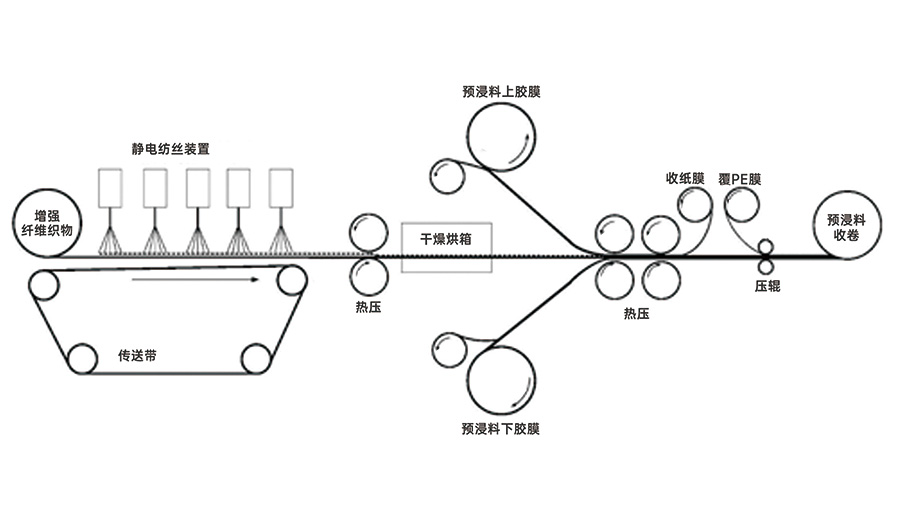
The dry prepreg preparation process offers the following advantages: high precision in resin content control, excellent product appearance, low porosity in the composite material, and the elimination of stress concentration issues caused by voids. In addition, the dry process reduces solvent use, thereby minimizing environmental pollution.
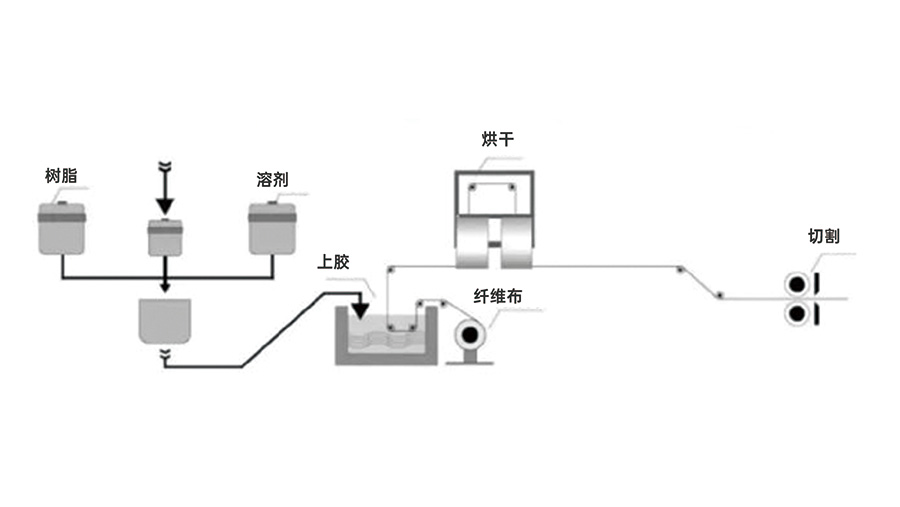
Wet-laid prepreg is a composite intermediate material produced by impregnating fibers (such as carbon fibers or glass fibers) with liquid resin. The process is characterized by the direct use of low-viscosity resin to impregnate the reinforcing fibers, without the need for prepolymerization or semi-curing.
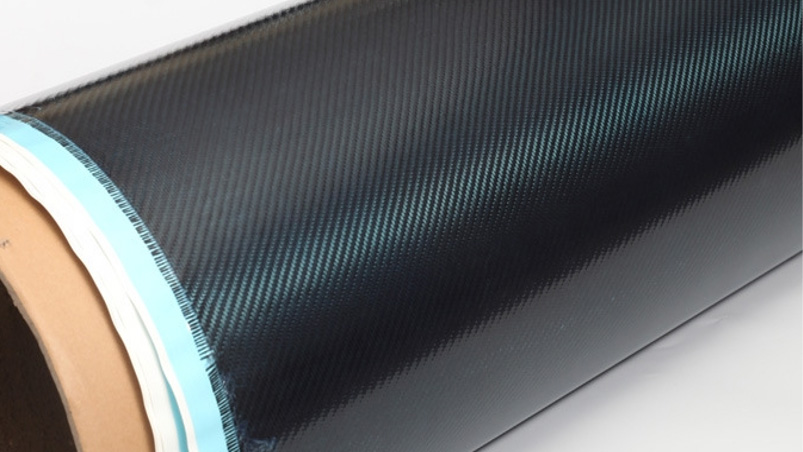
The properties of prepregs vary depending on the functional characteristics and formulation of the resin, as well as application requirements:
Thermoplastic Epoxy Prepregs: Combining the recyclability of thermoplastic resins with the high adhesion of epoxy resins, these are suitable for high-toughness composites that can be repeatedly molded.
Transparent Epoxy Prepregs: By optimizing the resin’s refractive index to match that of the fibers, these prepregs achieve high light transmittance and are used in structural components with high optical or aesthetic requirements.
Halogen-free flame-retardant epoxy prepregs: These use specialized resin flame retardants to replace traditional halogen-based materials, balancing environmental sustainability with fire resistance. They are suitable for consumer electronics, electrical equipment, and rail transportation applications.
Fast-curing epoxy prepregs: Designed with catalytic systems or low-temperature reactions to shorten curing cycles and improve production efficiency.
Bio-based epoxy prepregs: Replace petroleum-based raw materials with plant-derived components to reduce the carbon footprint and improve environmental performance, meeting sustainability requirements.
Toughened epoxy prepregs: Incorporate elastomers or nanoparticles to significantly enhance impact resistance and delamination resistance, making them suitable for load-bearing structures in aviation, wind power, and other applications.