


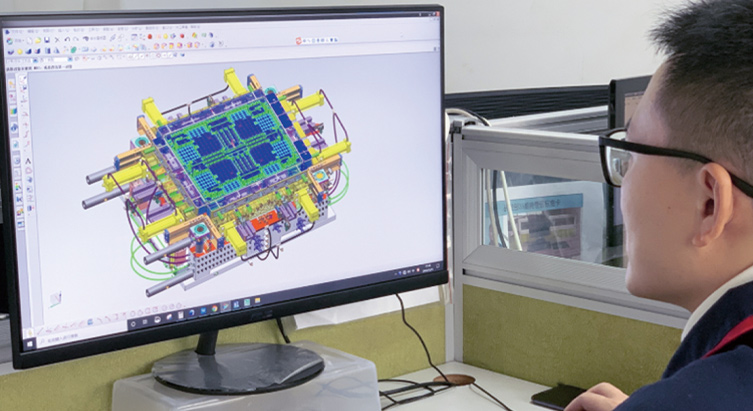
Leveraging its state-of-the-art equipment and an experienced team specializing in mold design and fabrication, Xinxiu ensures the delivery of high-quality molds and fixtures through a series of processes—including design based on technical drawings, CAM programming, CNC precision machining, mold trial runs, and 3D measurement. By overcoming a range of technical challenges, the company ensures the smooth transition of projects into mass production.
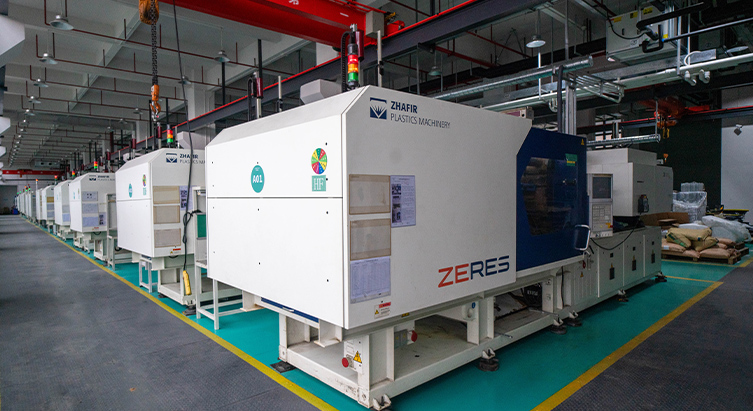
Xinxiu New Material possesses comprehensive composite material forming technologies and advanced equipment. Its core technologies include prepreg hot-press molding, OMR vacuum lamination, compression molding, and autoclave curing processes adapted for substrates such as epoxy resin and polyurethane, enabling the manufacture of lightweight, high-strength structures. The equipment system encompasses automated injection molding–hot-press integrated production lines (one-step molding) as well as high-precision RTM and compression molding tools, capable of meeting the efficient mass production needs of sectors such as consumer electronics, drone components, and sports equipment.
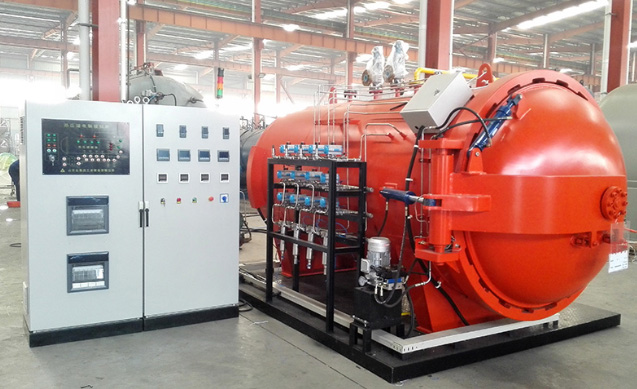
Autoclave molding is a process in which a composite preform—composed of single-layer prepregs laid up in a predetermined orientation—is placed inside an autoclave to undergo curing at a specified temperature and pressure. An autoclave is a specialized pressure vessel capable of withstanding and regulating specific temperature and pressure ranges. The composite blank is laid on a mold surface coated with a release agent, then sequentially covered with a porous non-stick fabric (film) and absorbent/breathable felt, sealed in a vacuum bag, and placed into the autoclave. Before heating and curing, the bag is evacuated to remove air and volatiles; then, heating, pressurization, and curing are carried out according to the curing profiles of the specific resins. This process ensures the shape and geometric dimensions of the parts. It is suitable for the molding of composite laminates and sandwich structures. This molding process is widely used for many large load-bearing structural components in the aviation and aerospace industries.
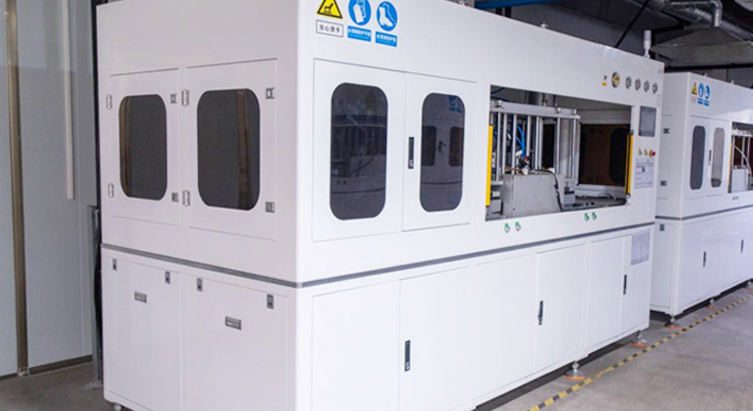
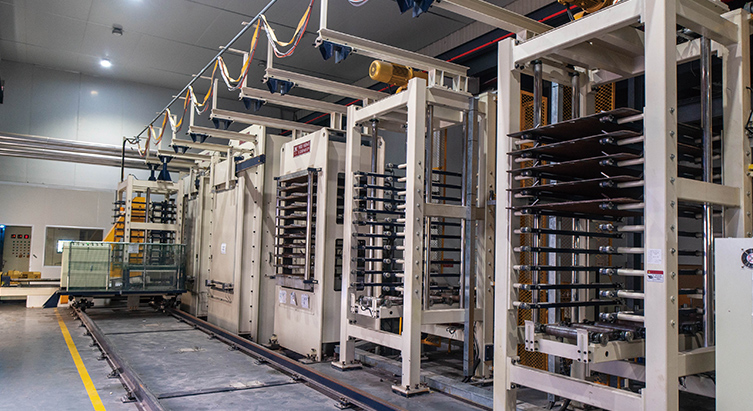
A method of bonding two or more layers of the same or different materials into a single unit through heating and pressurization, with or without the use of a binder. Also known as the lamination process, it refers to a forming process in which multiple layers of the same or different materials are bonded into a single unit under heat and pressure. It is commonly used in plastics processing and is also applied in rubber processing. In plastics processing, for thermoplastics, it is commonly used to produce artificial leather products or composite films; for thermosetting plastics, it is an important method for manufacturing reinforced plastics and related products.
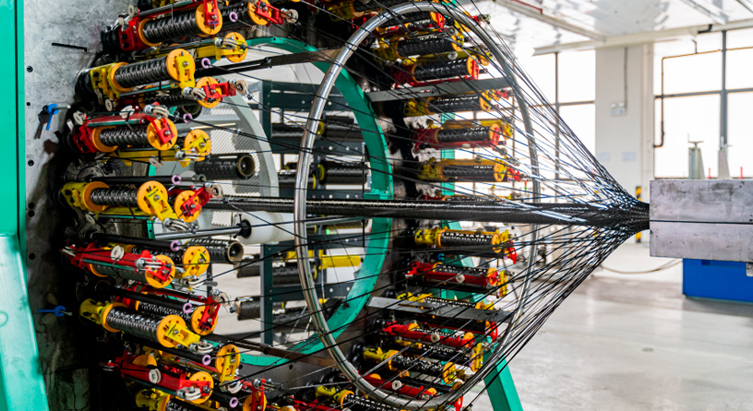
The carbon fiber braided-pultrusion process is an innovative composite material forming method that combines traditional weaving techniques with pultrusion technology; it is also known as the braided-pultrusion process or the integrated braiding-pultrusion forming technology (when combined with the filament winding process). By leveraging the synergistic effect of axial stretching and radial weaving of continuous fibers, this process forms high-performance carbon fiber composite profiles with a constant cross-section in a single step within a mold, thereby addressing the issues of low transverse strength in traditional pultrusion products and low production efficiency in purely woven products.
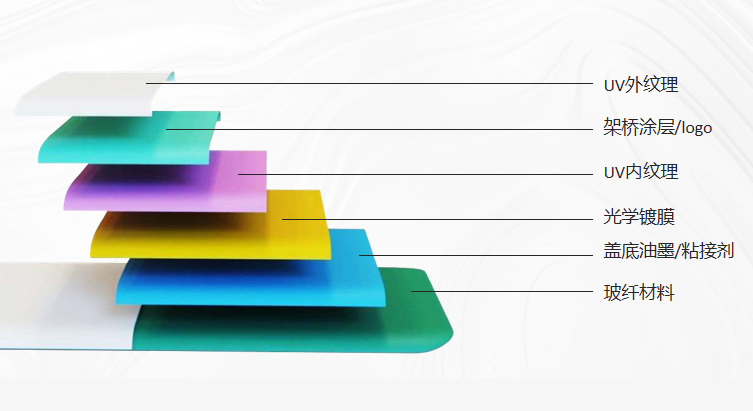
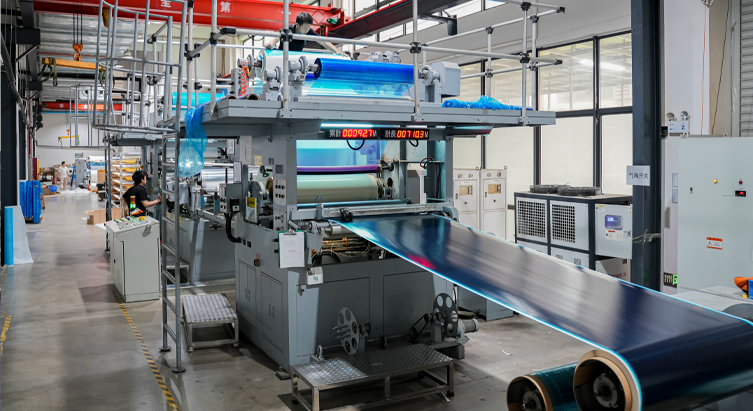
The lamination process makes it suitable for complex structural designs. The texture remains undistorted, making it suitable for complex structural designs. Since the release layer is removed, only the process layer remains on the product, with a thickness that can be controlled to less than 100 micrometers. A variety of effects can be achieved, such as magnetic ink, liquid crystal effects, and gradient PVD.
Through its research team, Xinxiu has developed a series of sizing agents designed to enhance the bond between resin and fibers, adapt to different application scenarios and prepreg systems, improve fiber wetting, enhance the bond between the matrix and fibers, and optimize the overall performance of composite materials. A sizing agent is a multicomponent aqueous solution or aqueous emulsion in which water or an organic solvent serves as the medium, and binders, coupling agents, surfactants, antistatic agents, and other solutes are dissolved.
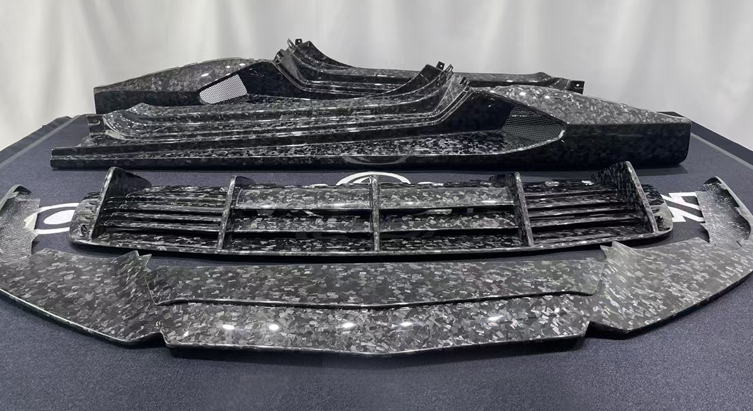
The carbon fiber SMC process achieves a perfect balance of lightweight design, high performance, high efficiency, and low cost through a combination of chopped carbon fibers, a resin matrix, and a high-efficiency compression molding process. Its core advantages lie in its ability to form complex shapes, short-cycle automated production, and 100% recycling of scrap material, making it an ideal choice for automotive lightweighting, new energy, and sports equipment applications. With ongoing innovations in materials and processes, carbon fiber SMC will demonstrate its immense potential in an increasing number of high-end manufacturing sectors, propelling the composites industry into a new phase of large-scale application.
First, the printed film is thermoformed into a 3D curved surface, then placed into a mold for injection molding. This process is suitable for complex curved surfaces and high-precision decorative applications, enabling a wide range of color and texture effects. Non-plastic inserts, such as metal or ceramic, are placed into the mold beforehand, and then plastic is injected to form the part. This process enables material compositing and functional integration, and is commonly used for high-strength or functionally specialized components.