


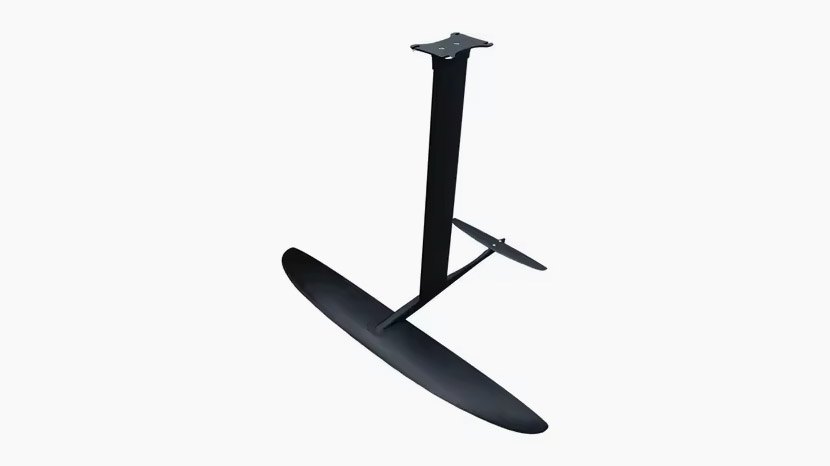
For the same size, carbon fiber boards are lighter than fiberglass or metal boards, making them easier for women to carry with one hand and simpler to launch into the water and retrieve. During high-speed gliding and turning, carbon fiber reduces flex, resulting in more direct and stable handling—a benefit that’s especially noticeable in choppy conditions or when quick direction changes are needed.
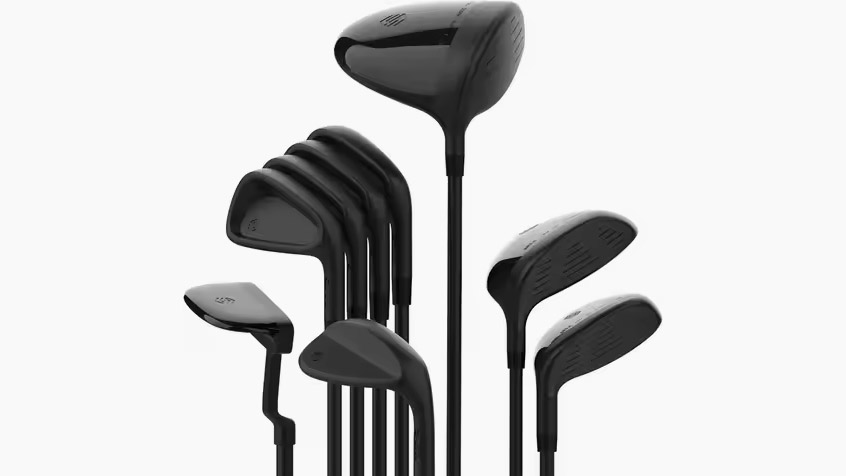
Carbon fiber golf clubs are more than 30% lighter than traditional metal and alloy clubs, making swings more comfortable and natural for golfers. These lightweight clubs also reduce fatigue, enhance grip stability, and improve accuracy. Carbon fiber clubs feature consistent color, texture, and appearance, and their physical properties ensure exceptional stability in terms of dimensions, shape, and quality. These advantages not only enhance the quality of the clubs but also allow golfers to handle them more effectively and perform at their best.
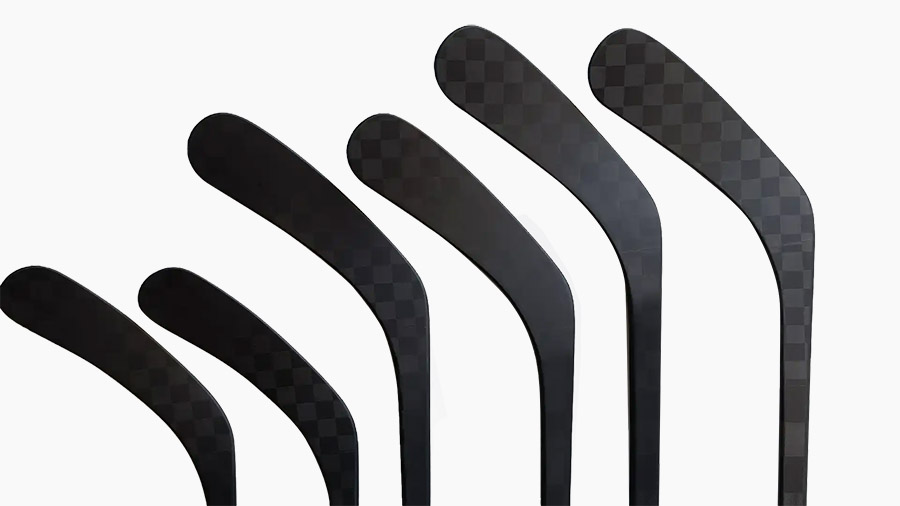
The key advantages of carbon fiber hockey sticks are their light weight, high strength, and good elasticity; however, they are expensive, vulnerable to lateral impacts, and provide a somewhat stiff and brittle feel. Made from carbon fiber composite materials, they are lighter than traditional wooden or aluminum alloy sticks, allowing for faster swing speeds and more efficient energy transfer upon impact. Carbon fiber hockey sticks are less likely to break when struck, making them a safer option.
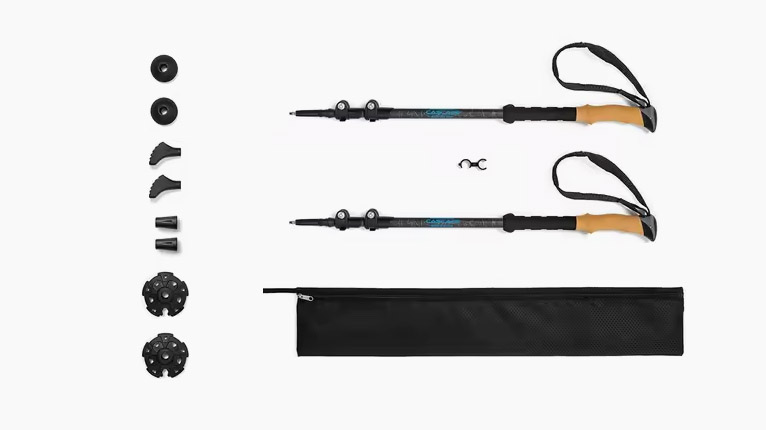
The biggest advantage of carbon fiber hiking poles is that they are exceptionally lightweight—they take up almost no space in your backpack—and they are corrosion-resistant and can withstand temperature fluctuations. They require less effort to use, making your arms feel less strained during long-distance hikes, and are ideal for hikers who prioritize lightweight gear. High-quality carbon fiber poles have a high load-bearing capacity and can also absorb some of the impact, helping to protect your knees.
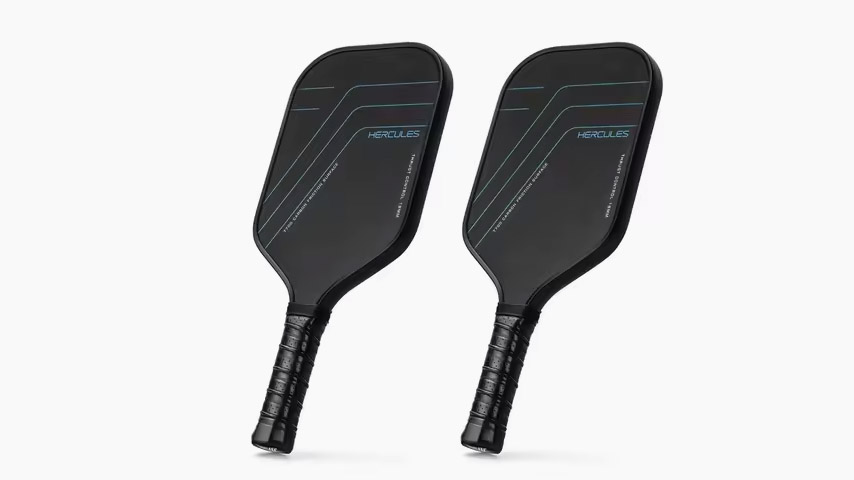
Racket faces are typically made of carbon fiber or fiberglass. Carbon fiber is stiffer than fiberglass, so the racket face deforms less upon impact, resulting in more direct power transfer. This makes it ideal for players who prefer to generate power proactively and engage in fast-paced rallies. The total weight of the racket typically ranges from 170 grams to 250 grams, though many carbon fiber models weigh around 200 grams, requiring less effort to swing and reducing wrist fatigue during prolonged rallies.
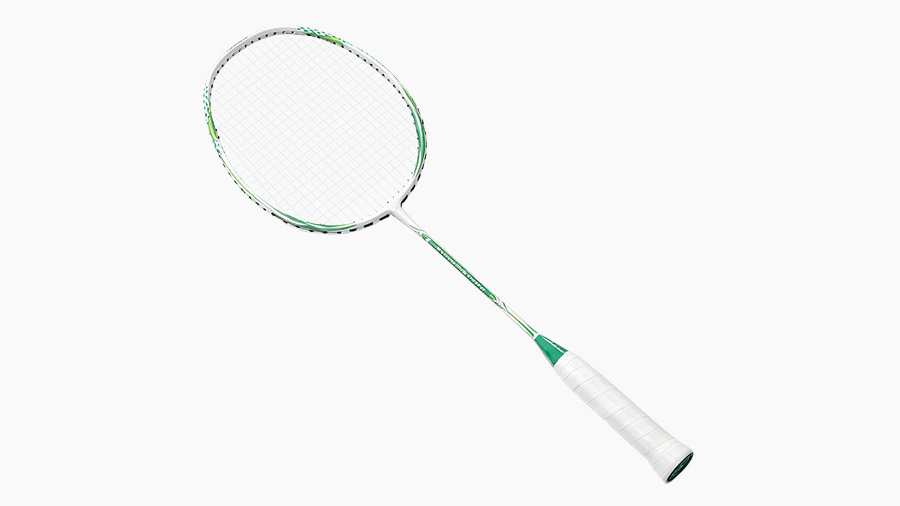
The weight of the entire racket can be easily maintained within the ideal range of 80–85 grams while preserving structural strength. High-quality carbon fiber rackets resist face rotation at the moment of contact, resulting in a more consistent ball trajectory.
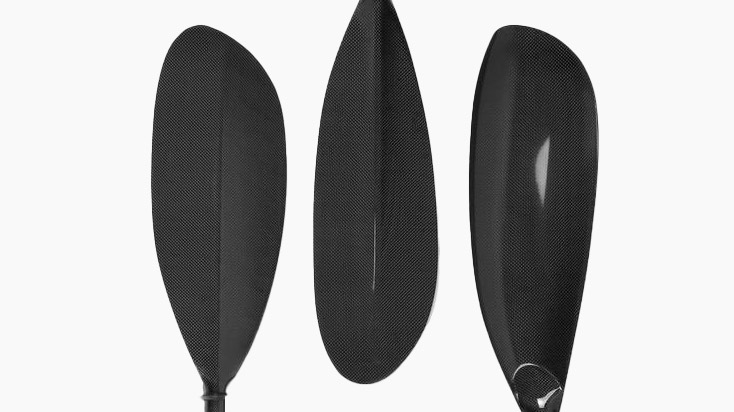
All-carbon oars can weigh as little as 300–400 grams, making them significantly lighter than wooden (approximately 550–700 grams) or fiberglass oars. During high-frequency rowing, they save a great deal of energy for the shoulders. Carbon fiber has extremely high stiffness, allowing rowing power to be transferred to the water with virtually no loss, resulting in outstanding energy efficiency.
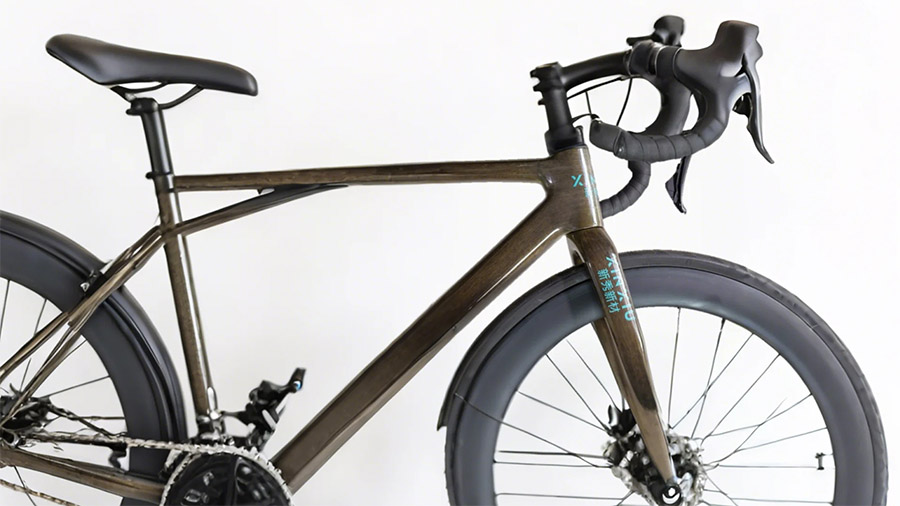
Carbon fiber has a density of approximately 1.6 g/cm³, which is only one-fifth that of steel and about 40% lighter than aluminum. At the same price point or higher, carbon fiber frames can be several hundred grams lighter than aluminum alloy frames.