


The carbon fiber braided-pultrusion process is an innovative composite material forming method that combines traditional weaving techniques with pultrusion technology; it is also known as the braided-pultrusion process or the integrated braiding-pultrusion forming technology (when combined with the filament winding process). By leveraging the synergistic effect of axial stretching and radial weaving of continuous fibers, this process forms high-performance carbon fiber composite profiles with a constant cross-section in a single step within a mold, thereby addressing the issues of low transverse strength in traditional pultrusion products and low production efficiency in purely woven products.
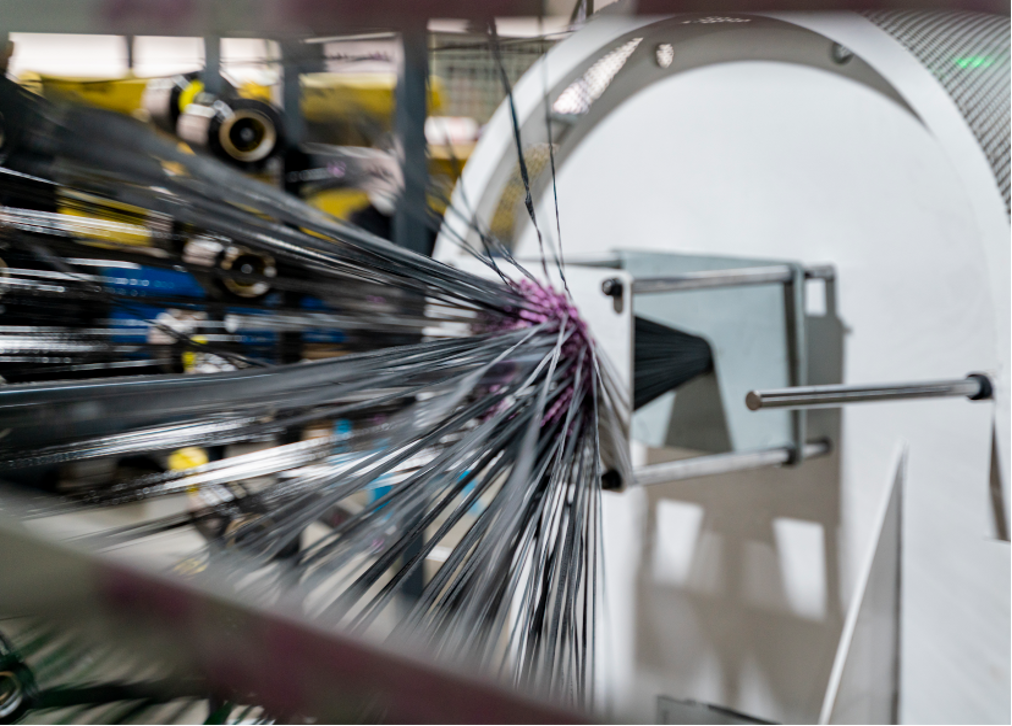
Carbon fiber is drawn from the yarn rack and passes through a tension control device to ensure uniform fiber tension.
Thermosetting or thermoplastic resins
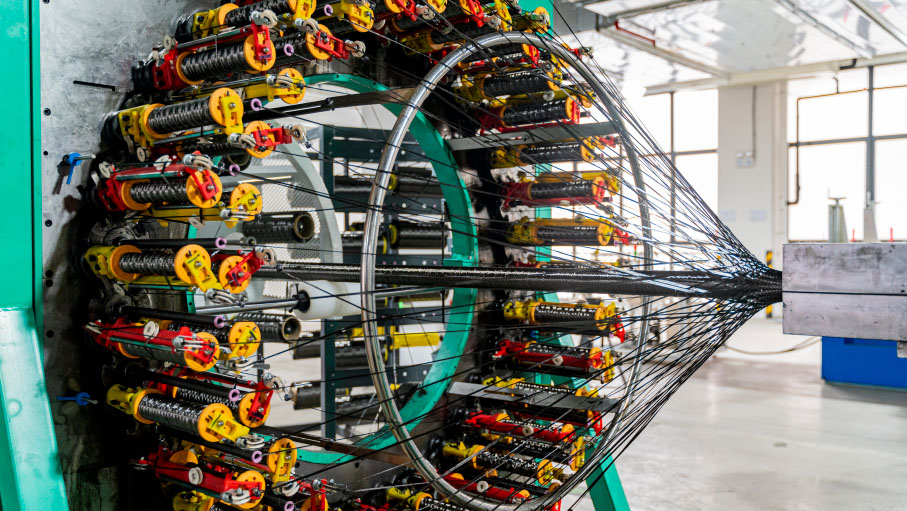
Axial braiding machines and multi-axial braiding machines can achieve multi-directional fiber interlacing at 0°, ±45°, and 90°.
The braiding angle can be precisely controlled.
Unidirectional fiber layers or other reinforcement structures can be inserted as needed to customize performance.
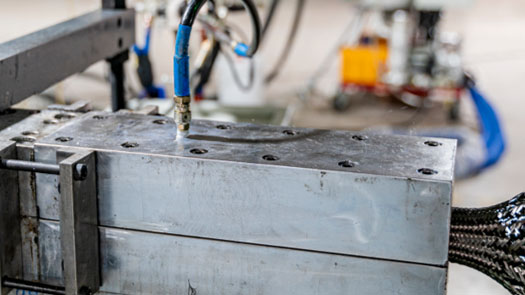
Resin bath impregnation, injection impregnation, or prepreg processes
Resin content control to ensure complete fiber wetting without excessive resin residue
Preforming equipment for preliminary shaping and extrusion of excess resin to ensure the cross-sectional shape
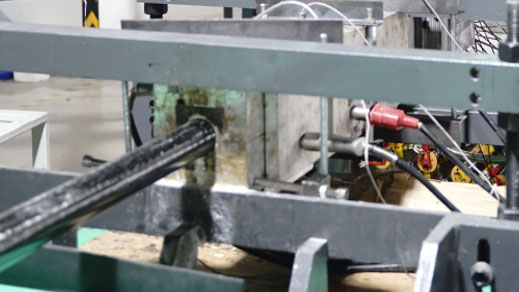
The traction system pulls the woven, resin-impregnated fiber preform into the heated mold at a constant speed.
The mold uses a gradual heating and temperature-holding process to ensure uniform resin curing.
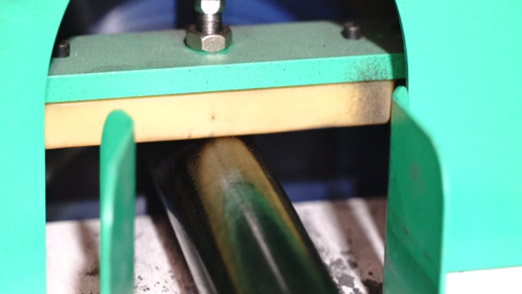
Cutting and surface treatment (grinding, coating)
Ultrasonic C-scan, infrared thermal imaging, etc., to ensure there are no internal defects