



The carbon fiber SMC process achieves a perfect balance of lightweight design, high performance, high efficiency, and low cost through a combination of chopped carbon fibers, a resin matrix, and a high-efficiency compression molding process. Its core advantages lie in its ability to form complex shapes, short-cycle automated production, and 100% recycling of scrap material, making it an ideal choice for automotive lightweighting, new energy, and sports equipment applications. With ongoing innovations in materials and processes, carbon fiber SMC will demonstrate its immense potential in an increasing number of high-end manufacturing sectors, propelling the composites industry into a new phase of large-scale application.
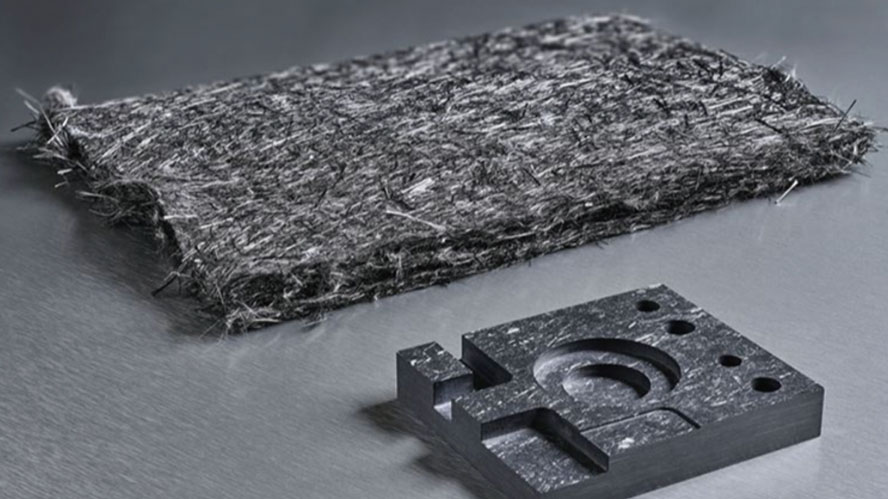
Short molding cycle (2–15 minutes)
80% shorter than the prepreg process, making it suitable for large-scale mass production
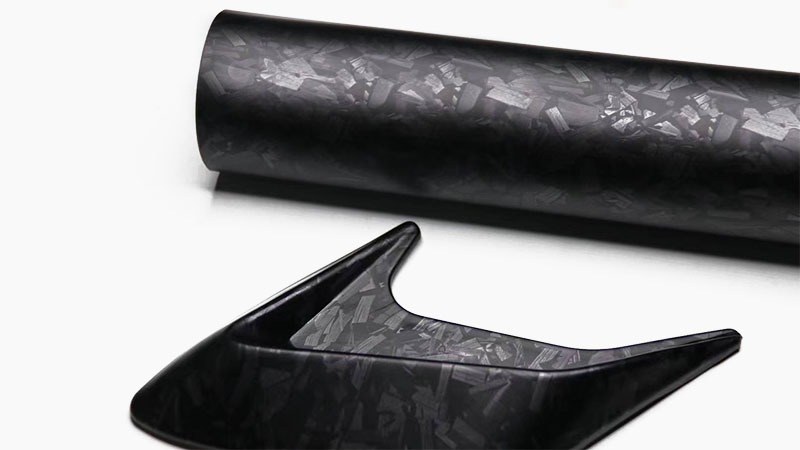
Excellent flowability allows for filling deep cavities, threaded holes, and ribs, enabling the integration of parts and reducing assembly
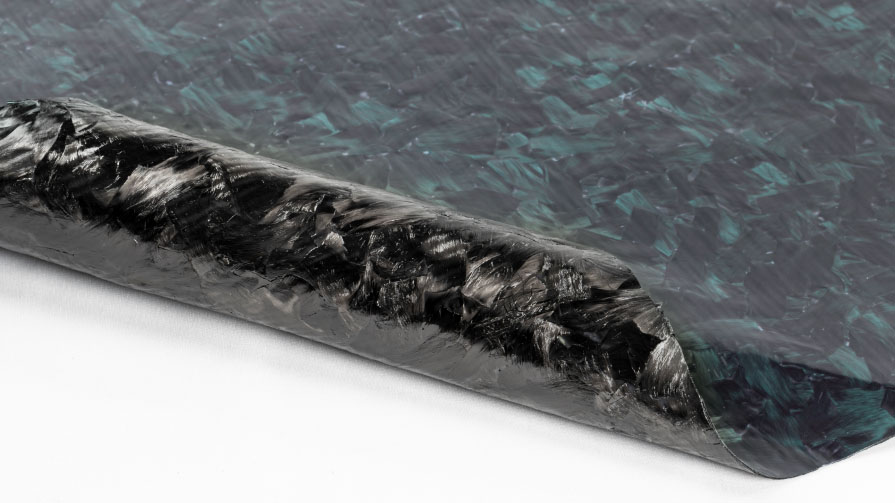
Carbon fiber is a reinforcing material with a low density of 1.45–1.56 g/cm³; compared to steel or aluminum, it can reduce weight by more than 40%.
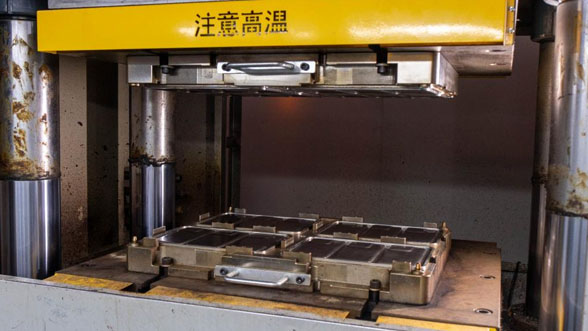
Carbon fiber SMC material can also be used to encapsulate metal parts during molding; embedding metal inserts facilitates part mating and connection, thereby improving the performance of integrated components.
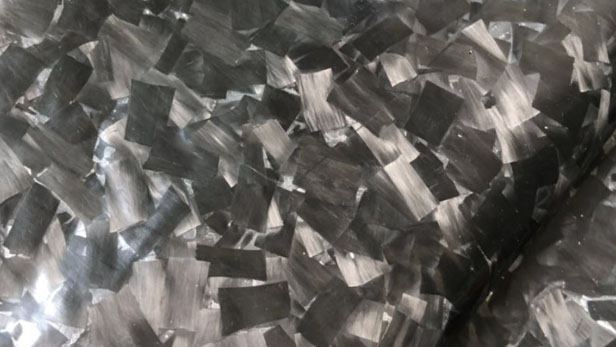
Precise cutting by weight, with a material utilization rate of over 95%
Scrap material can be 100% recycled and reused
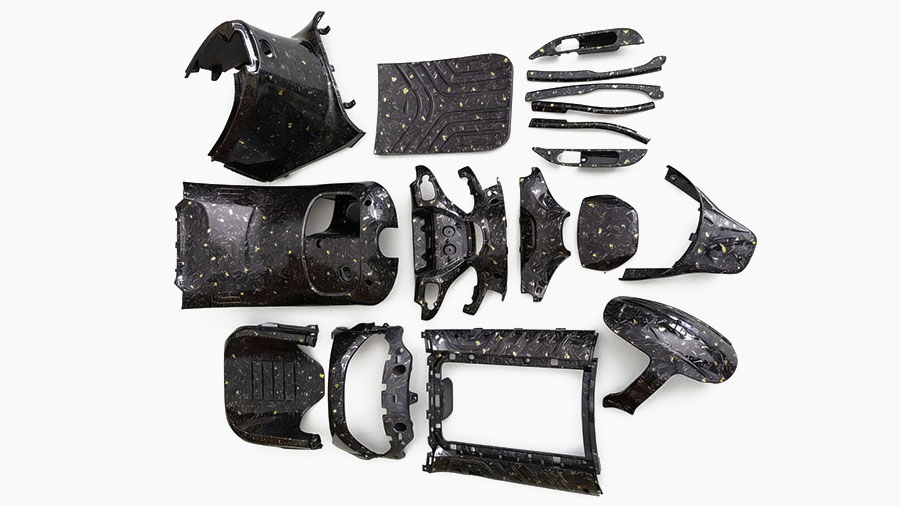
Low shrinkage rate, wide temperature range
Shrinkage rate < 0.1%; stable performance from -40°C to 150°C