


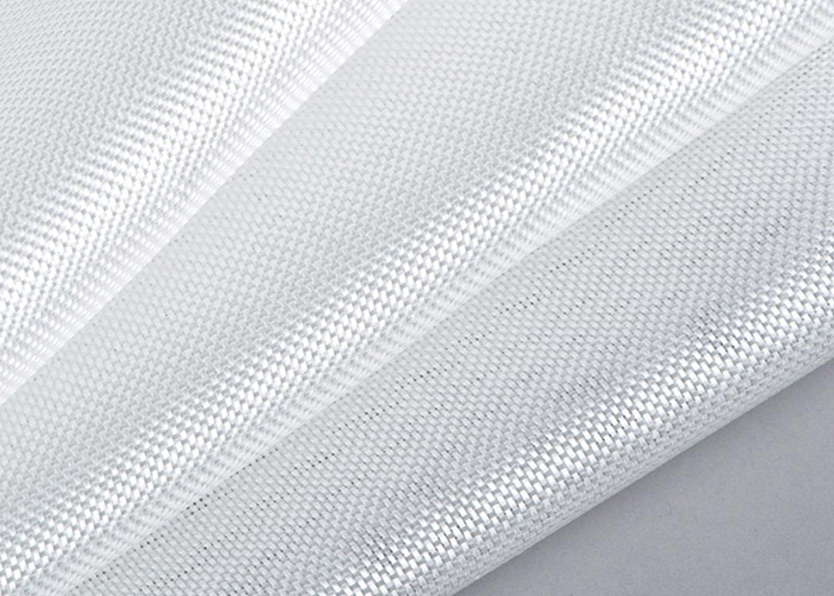
Glass fiber is an inorganic, non-metallic material with excellent properties that can be used in various composite material forming processes, such as filament winding and pultrusion. Due to its uniform tensile strength, roving fabrics can also be woven; in certain applications, the roving is further chopped into short fibers.
Glass fiber composites are characterized by corrosion resistance, light weight, and excellent reinforcing properties, and are widely used in aircraft structural components, wind turbine blades, yachts, vehicle bodies, decks, consumer electronics, and other fields.
Glass fiber fabric prepreg is an intermediate composite material in which glass fiber fabric is pre-impregnated with a resin matrix and partially cured.
| Model | Weave | Fabric Weight (g/m²) | Resin Content (%) | Total Weight (g/m²) | Web Width (mm) | Roll Length (m) |
| EW025 | Plain Weave / Twill | 25 | 38 | 40 | 1000 | 100 |
| EW100 | Plain Weave / Twill | 100 | 38 | 161 | 1000 | 100 |
| EW185 | Plain Weave / Twill | 185 | 38 | 298 | 1000 | 100 |
| EW210 | Plain Weave / Twill | 210 | 38 | 339 | 1000 | 100 |
| EW220 | Plain Weave / Twill | 220 | 38 | 355 | 1000 | 100 |
| EW230 | Plain Weave / Twill | 230 | 38 | 403 | 1000 | 100 |
| EW250-268 | Plain Weave / Twill | 250 | 38 | 432 | 1000 | 100 |
| EW320 | Plain Weave / Twill | 268 | 50 | 516 | 1000 | 100 |
| EW600 | Plain Weave / Twill | 600 | 38 | 967 | 1000 | 100 |
| EW100 | Plain Weave / Twill | 100 | 38 | 161 | 1000 | 100 |
| SW110 | Plain Weave / Twill | 110 | 38 | 177 | 1000 | 100 |
| SW200 | Plain Weave / Twill | 200 | 38 | 355 | 1000 | 100 |
| SW210 | Plain Weave / Twill | 210 | 38 | 323 | 1000 | 100 |
| SW220 | Plain Weave / Twill | 220 | 38 | 387 | 1000 | 100 |
| SW280 | Plain Weave / Twill | 280 | 50 | 452 | 1000 | 100 |

Typical applications include mid-frames and back covers for smartphones and tablets, laptop casings, router housings, structural components for smart wearable devices, and internal supports.
1. Lightweight and high-strength: Replaces metals (such as magnesium-aluminum alloys) to reduce the weight of smartphone, tablet, and laptop casings and internal brackets while providing sufficient structural strength and impact resistance.
2. Excellent electromagnetic wave permeability: Does not shield signals, making it an ideal material for antenna covers and housings in 5G devices, ensuring high-quality wireless communication.
3. Good dimensional stability and heat resistance: Maintains dimensional stability under temperature fluctuations and during long-term use, adapting to the internal heating environment of electronic devices.
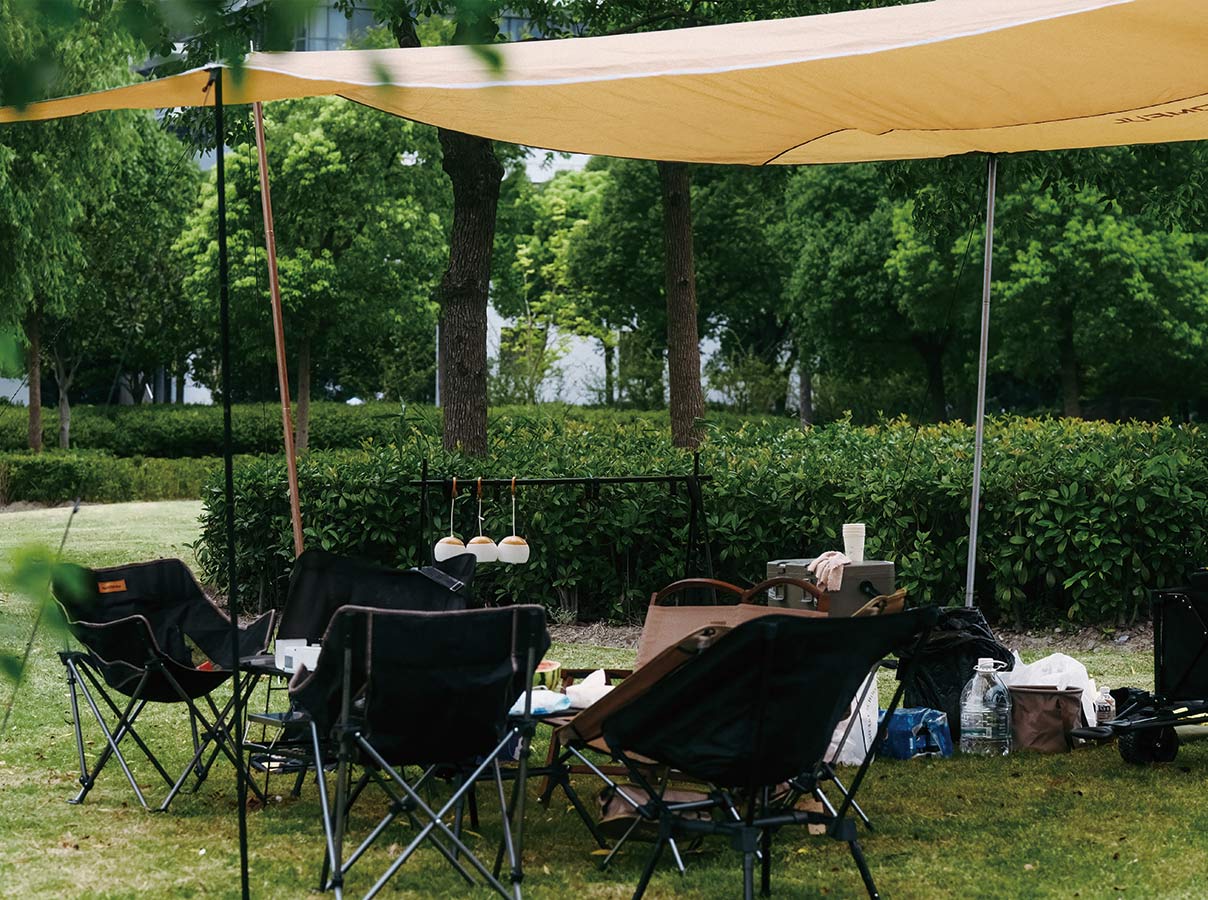
Typical applications include outdoor tent poles, fishing rods, skis/poles, hockey sticks, bows, golf club shafts, and tennis/badminton racket frames (typically blended with carbon fiber).
1. Excellent specific strength and specific modulus: Provides extremely high strength and stiffness while remaining lightweight, which is crucial for enhancing athletic performance.
2. Good fatigue resistance and toughness: Can withstand repeated bending and impact loads without breaking easily (e.g., fishing rods, racquets).
3. Exceptional energy transfer/storage and elasticity: Stores and efficiently releases force (e.g., pole vault poles, bows, golf club shafts), achieving a “catapult” effect.
4. High design flexibility: Precisely controls the stiffness, strength, and bending points of different components through layered designs.

Typical applications include reinforcing door and window profiles, roofing tiles, lighting panels, ductwork (such as ventilation ducts), insulation materials (glass wool), electrical conduits, base materials for engineered marble countertops, and wall/decorative panels.
1. Excellent corrosion resistance and moisture resistance: Rust-proof, rot-proof, non-absorbent, and non-warping, making it ideal for humid environments such as bathrooms and kitchens (e.g., bathtubs and shower stalls).
2. High strength and light weight: Lighter and less breakable than traditional ceramic sanitary ware, making it easier to transport and install; reinforced building materials (such as GFRP rebar) offer a high strength-to-weight ratio.
3. Design flexibility and aesthetic appeal: Can be molded into various shapes and textures (wood grain, stone grain), with a smooth surface that is easy to clean.

Typical applications include primary structural components of wind turbine blades (blades, main spar caps, webs, root connections, etc.), as well as certain nacelle covers and fairings.
1. Extremely high specific strength and modulus: This is key to enabling ultra-long blades to withstand enormous wind loads (bending, torsion), ensuring structural integrity and service life.
2. Excellent fatigue resistance: Capable of withstanding over 20 years and hundreds of millions of cycles of alternating loads (wind variations, start-stop cycles, rotational centrifugal forces) without failure.
3. Good weather resistance and corrosion resistance: Maintains stable performance over time in harsh outdoor environments (UV radiation, wind, rain, salt fog, temperature fluctuations).