


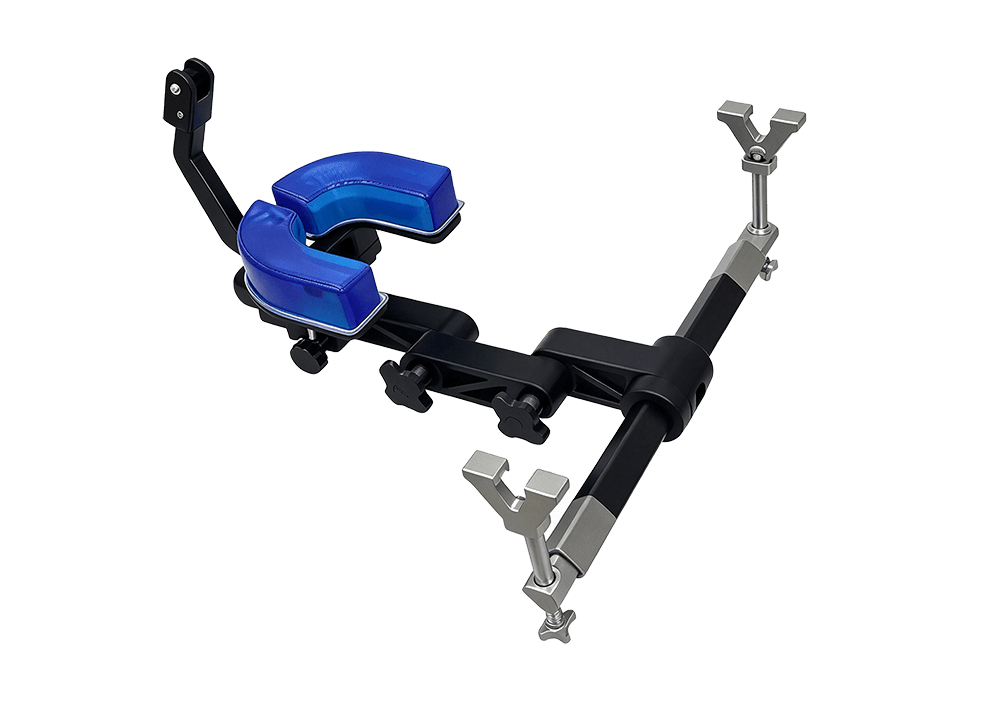
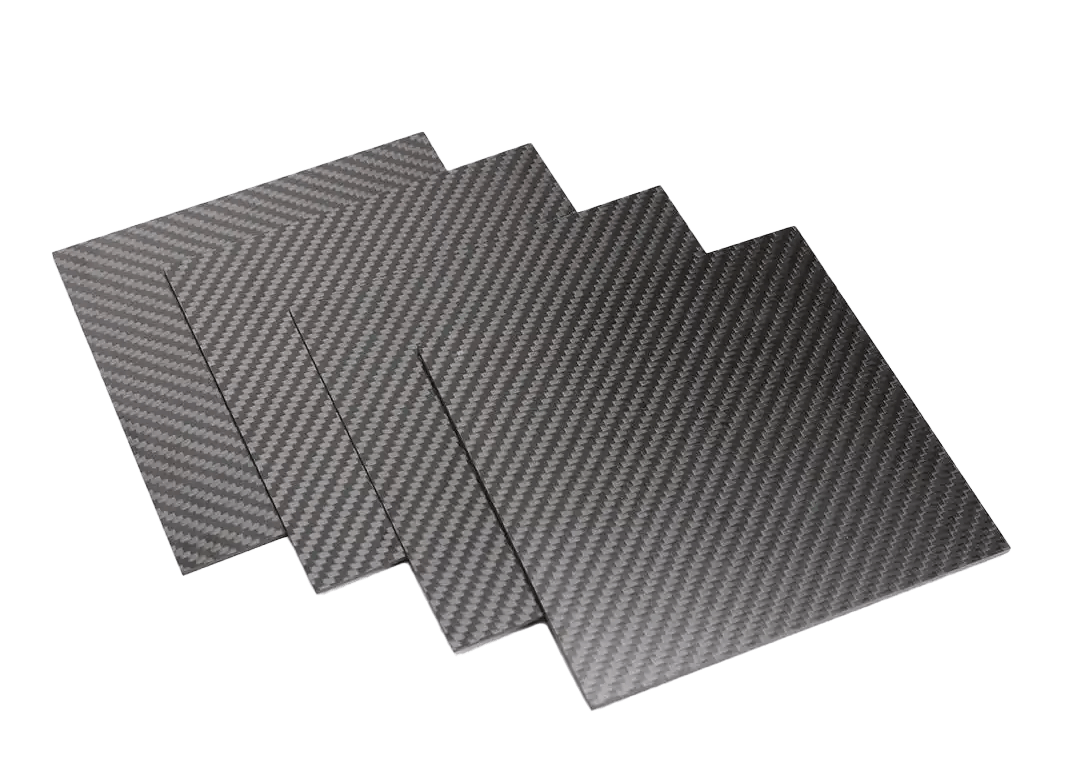
Ultimate Lightweight Design and High Rigidity: Carbon fiber composites have a density of approximately 1.5–1.6 g/cm³ and a tensile strength exceeding 2,000 MPa (compared to approximately 800 MPa for aluminum alloys). For the same rigidity requirements, a carbon fiber cantilever weighs significantly less than a metal component, which can substantially reduce the inertial load on moving parts.
Excellent Thermal Stability: Through proper layup design (such as combining PAN-based and pitch-based carbon fibers), the coefficient of thermal expansion (CTE) of a carbon fiber cantilever in specific directions can approach zero. This means that its shape and dimensions remain highly stable when ambient temperatures fluctuate, which is critical for precision manufacturing and measurement equipment.
Outstanding Damping and Vibration Resistance: Carbon fiber composites have higher intrinsic damping than metals; when combined with a damping layer, their damping performance can reach 12 to 20 times that of steel. This helps quickly suppress vibrations and improves the dynamic stability of equipment.
Corrosion Resistance and Cleanliness: Carbon fiber offers excellent corrosion resistance and features a smooth surface that is resistant to particulate contamination, meeting cleanroom requirements and extending maintenance intervals.